
Pediatric Laparoscopic Surgeon in Namakkal
When a child requires surgery, parents often have questions about the procedure, recovery time and the type of surgical approach recommended. Depending on the medical condition, laparoscopic surgery may be an option that allows the surgeon to operate through small incisions using a camera and specialised instruments.
If you are looking for a pediatric laparoscopic surgeon for your child, it is important to consult a surgeon who understands the specific surgical needs of infants and children. Dr. P. Jayakumar (MBBS, MS, MCh), a surgeon with a background in Paediatric and General Surgery, provides consultation and guidance for children who may require surgical treatment.
At Jayacharan Clinic, Namakkal, parents can discuss their child’s condition, understand the available surgical approaches and learn whether pediatric laparoscopy surgery may be suitable.
What Is Pediatric Laparoscopic Surgery?
Pediatric laparoscopic surgery is a minimally invasive surgical technique used to diagnose and treat certain medical conditions in infants and children. It is also commonly known as keyhole surgery.
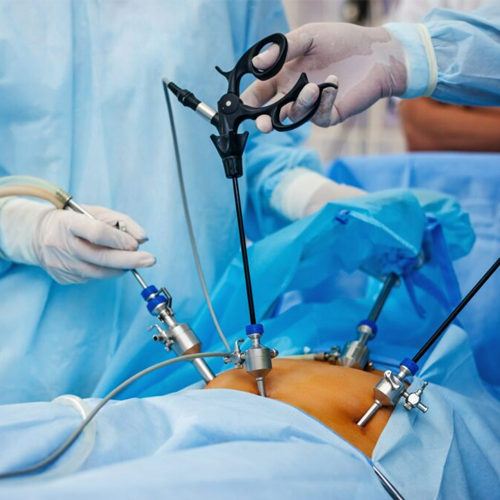
Instead of making one large incision, the surgeon makes a few small cuts in the abdomen. A thin instrument called a laparoscope, which has a small camera and light, is inserted through one of these openings. It provides images of the internal organs on a monitor, allowing the surgeon to perform the required procedure using specialised instruments.
This approach is used for selected abdominal and pelvic conditions in children. However, not every condition can be treated laparoscopically. The choice between open and laparoscopic surgery depends on the child’s age, medical condition, anatomy and the complexity of the procedure.
Children’s Health+1
How Is Laparoscopic Surgery Performed in Children?
The procedure is performed under general anaesthesia, so the child remains asleep during surgery.
The general steps include:
- Pre-surgical assessment: The surgeon reviews the child’s medical history, symptoms and investigation reports.
- Anaesthesia: General anaesthesia is administered by an anaesthesia team experienced in paediatric care.
- Small incisions: A few small openings are made in the abdomen to introduce the camera and surgical instruments.
- Camera-guided surgery: The laparoscope provides a magnified view of the internal organs on a monitor.
- Surgical procedure: Specialised instruments are used to perform the required correction or treatment.
- Closure and monitoring: The instruments are removed, the incisions are closed and the child is monitored during recovery.
The exact surgical steps vary depending on the condition being treated.
Types of Pediatric Surgical Treatment
1. Open Surgery
Open surgery involves making an incision to access the affected area and treat the condition. It may be recommended when the nature of the condition or the child’s clinical situation makes this approach appropriate.
2. Laparoscopic Surgery
Laparoscopic surgery is performed through small incisions using a camera and specialised instruments.
In selected children, this approach may be used for procedures involving the abdomen. Potential benefits can include smaller incisions and a shorter recovery period in suitable cases.
However, laparoscopic surgery is not appropriate for every condition or every child. The surgical approach depends on the diagnosis, the child’s health and the available facilities.
3. Corrective Surgery for Congenital Conditions
Some children are born with anatomical conditions that may require surgical correction. Examples include hypospadias, undescended testis and selected gastrointestinal abnormalities.
The timing of surgery depends on the condition and the child’s development. Parents should discuss the expected benefits, possible risks and follow-up requirements with the treating surgeon.
4. Emergency Pediatric Surgery
Certain conditions can develop suddenly and require urgent treatment. These include acute appendicitis, intestinal obstruction, complicated intussusception and some cases of foreign body ingestion.
Laparoscopic Surgery vs Open Surgery in Children
Both laparoscopic and open surgical techniques are used in pediatric care. The choice depends on the child’s diagnosis, age, overall health and the complexity of the procedure.
| Comparison | Laparoscopic Surgery | Open Surgery |
| Incisions | Usually involves a few small incisions | Usually involves a larger incision |
| Surgical view | Uses a camera and monitor | Direct visual access to the surgical area |
| Scarring | Generally smaller scars | Scar size depends on the procedure |
| Recovery | May allow quicker recovery in selected cases | Recovery varies with the procedure |
| Suitability | Depends on the condition and anatomy | May be preferred for certain complex conditions |
Neither approach is automatically better for every child. The surgeon recommends the method that is appropriate for the child’s safety and treatment needs.
What Happens Before and After Pediatric Laparoscopic Surgery?
Before Surgery
The surgeon evaluates the child’s condition and determines whether a laparoscopic approach is appropriate.
Parents may be advised to:
- Complete the recommended blood tests and imaging investigations.
- Share details of existing medical conditions and medications.
- Follow the fasting instructions provided by the hospital.
- Discuss any previous anaesthesia or surgical history.
- Understand the expected procedure and recovery plan.
After Surgery
Following the procedure, the child is monitored until the effects of anaesthesia have reduced and their condition is stable.
Recovery instructions may include:
- Following the recommended feeding schedule.
- Giving prescribed medicines as advised.
- Keeping the incision sites clean and dry according to instructions.
- Avoiding strenuous activities until cleared by the surgeon.
- Attending scheduled follow-up appointments.
Parents should contact the medical team if the child develops fever, increasing abdominal pain, persistent vomiting, wound discharge or unusual swelling.
Consult Dr. P. Jayakumar for Pediatric Laparoscopic Surgery in Namakkal
Dr. P. Jayakumar (MBBS, MS, MCh) has a professional background in Paediatric and General Surgery. He works as an Assistant Professor in the Department of Paediatric Surgery at Government Mohan Kumaramangalam Medical College Hospital.
His surgical background includes the evaluation and management of conditions affecting infants and children.
Parents looking for a pediatric laparoscopic surgeon can consult Dr. Jayakumar at Jayacharan Clinic, Namakkal, to discuss their child’s diagnosis, surgical requirements and available treatment approaches.
During the consultation, parents can discuss:
- Whether their child’s condition requires surgery.
- Whether a laparoscopic approach is appropriate.
- What investigations may be needed before surgery.
- The potential risks and benefits of the recommended procedure.
- Expected recovery and follow-up requirements.
If you are considering pediatric laparoscopy surgery in Namakkal, a consultation can help you understand the available options before proceeding with treatment.
Note: Consultation at Jayacharan Clinic does not necessarily mean that every laparoscopic procedure is performed at the clinic. The surgical location and required hospital facilities should be confirmed based on the child’s treatment needs.
Frequently Asked Questions
1. What is pediatric laparoscopic surgery?
Pediatric laparoscopic surgery is a minimally invasive technique used to diagnose and treat certain conditions in children. It involves small incisions through which a camera and specialised surgical instruments are inserted.
2. At what age can children undergo laparoscopic surgery?
Laparoscopic procedures can be performed in selected newborns, infants, young children and adolescents. Suitability depends on the child’s age, weight, diagnosis and overall health.
3. Is laparoscopic surgery better than open surgery for children?
Laparoscopic surgery may offer benefits such as smaller incisions and potentially quicker recovery in selected cases. However, open surgery may be more appropriate for certain conditions. The surgeon decides based on the child’s specific requirements.
4. Which conditions can be treated using pediatric laparoscopy?
Selected cases of appendicitis, inguinal hernia, undescended testis, gallbladder stones, intestinal malrotation, ovarian cysts and certain gastrointestinal abnormalities may be treated using laparoscopic techniques.
5. Does pediatric laparoscopic surgery require general anaesthesia?
Yes. Pediatric laparoscopic procedures are generally performed under general anaesthesia. The anaesthesia team monitors the child’s breathing, heart rate and other vital parameters throughout the operation.