Pediatric Gallbladder Surgeon in Mumbai
Gallbladder problems can affect children as well as adults. Some children develop gallstones, inflammation of the gallbladder or other conditions that may cause abdominal pain, nausea, vomiting and digestive discomfort. While some gallbladder conditions can be managed through observation and medical treatment, others may require surgery.
If you are looking for a pediatric gallbladder surgeon for your child, a specialist evaluation can help identify the underlying problem and determine whether surgery is necessary. Dr. P. Jayakumar (MBBS, MS, MCh), a surgeon with a background in Paediatric and General Surgery, provides consultation and guidance for surgical conditions affecting infants and children.
At Jayacharan Clinic, Namakkal, parents can discuss their child’s symptoms, understand investigation findings and learn about suitable treatment approaches for gallbladder conditions.
What Are Gallbladder Problems in Children?
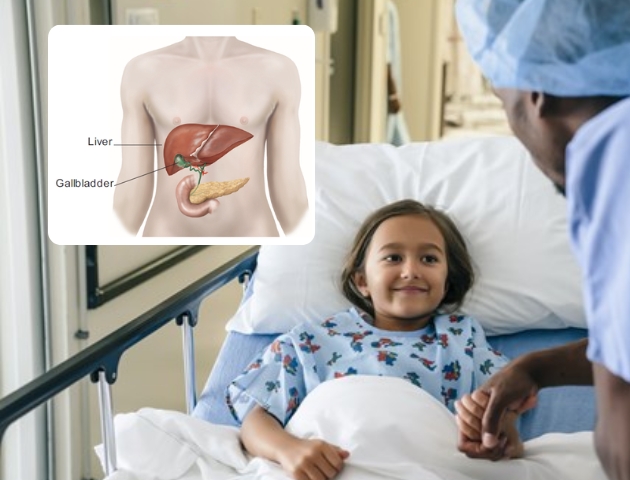
The gallbladder is a small, pear-shaped organ located below the liver on the right side of the abdomen. It stores bile, a digestive fluid produced by the liver that helps the body digest fats.
Sometimes, children develop gallstones or other abnormalities that affect normal gallbladder function. These conditions may remain without symptoms or cause abdominal discomfort and digestive problems.
Pediatric gallbladder surgery may be considered when a child has symptomatic gallstones, recurrent gallbladder inflammation or certain complications affecting the bile ducts.
The treatment depends on the child’s symptoms, age, medical history and investigation results. Not every child with gallstones requires surgery.
Common Gallbladder Conditions in Children
Several conditions can affect the gallbladder and surrounding bile ducts during childhood.
1. Gallstones (Cholelithiasis)
Gallstones are hard deposits that develop inside the gallbladder. They can vary in size and number. Some children have gallstones without experiencing any symptoms, while others develop abdominal pain or digestive discomfort.
Possible symptoms include:
- Pain in the upper right or middle abdomen.
- Nausea and vomiting.
- Abdominal discomfort after eating.
- Pain that may extend towards the back or right shoulder.
- Fever when associated with inflammation or infection.
The need for treatment depends on whether the gallstones are causing symptoms or complications.
2. Cholecystitis (Gallbladder Inflammation)
Cholecystitis refers to inflammation of the gallbladder. It commonly occurs when a gallstone blocks the cystic duct, preventing bile from draining normally.
Children with this condition may experience:
- Persistent pain in the upper right abdomen.
- Fever.
- Nausea and vomiting.
- Tenderness when the abdomen is examined.
- Reduced appetite.
Acute cholecystitis requires prompt medical assessment. Depending on the severity, treatment may include hospital care, antibiotics when indicated and surgery.
3. Choledocholithiasis (Bile Duct Stones)
Choledocholithiasis occurs when gallstones move from the gallbladder into the common bile duct. This can block the flow of bile from the liver into the intestine.
Symptoms may include:
- Yellowing of the skin and eyes (jaundice).
- Abdominal pain.
- Dark-coloured urine.
- Pale stools.
- Nausea and vomiting.
Bile duct stones require specialist evaluation because they can sometimes cause infection or inflammation of the pancreas.
4. Biliary Dyskinesia
Biliary dyskinesia is a condition in which the gallbladder does not empty bile normally, even when no gallstones are present.
Some children experience recurring abdominal pain, particularly after meals. Diagnosis requires careful assessment because similar symptoms can occur due to other digestive conditions.
In selected cases, surgery may be considered after appropriate investigations and evaluation.
5. Gallbladder Polyps
Gallbladder polyps are small growths that develop along the inner lining of the gallbladder. Many are discovered incidentally during ultrasound examinations.
Their significance depends on their size, appearance and associated symptoms. Most findings do not automatically require surgery. Specialist assessment helps determine whether monitoring or further intervention is appropriate.
What Causes Gallstones in Children?
Gallstones can develop in children for several reasons. Sometimes, more than one factor contributes to their formation.
Common associated factors include:
- Changes in bile composition: An imbalance in cholesterol, bilirubin or other components of bile can contribute to gallstone formation.
- Blood disorders: Children with conditions such as sickle cell disease or hereditary spherocytosis may have a higher risk of developing pigment gallstones.
- Obesity: Excess body weight is associated with an increased risk of cholesterol gallstones.
- Family history: A family history of gallstones may contribute to a child’s risk.
- Certain medications: Some medicines can increase the likelihood of gallstone formation in particular children.
- Prolonged fasting or nutritional factors: Certain medical situations and prolonged periods of inadequate nutrition may contribute to gallstone development.
Not every child with these risk factors develops gallstones. A medical evaluation is necessary to understand the possible cause.
Symptoms of Gallbladder Problems in Children
Gallbladder conditions can produce different symptoms depending on the underlying problem.
Parents should watch for:
- Repeated abdominal pain, especially in the upper right area.
- Pain after eating fatty meals.
- Nausea or repeated vomiting.
- Fever with abdominal discomfort.
- Yellowing of the eyes or skin.
- Dark urine or pale stools.
- Reduced appetite.
Seek urgent medical attention if your child develops severe abdominal pain, persistent vomiting, fever with jaundice or marked weakness. These symptoms may indicate a complication involving the gallbladder or bile ducts.
Benefits of Laparoscopic Gallbladder Surgery in Children
When appropriate, laparoscopic gallbladder removal may offer certain benefits compared with open surgery.
- Smaller incisions: Usually involves a few small cuts instead of one larger abdominal incision.
- Smaller visible scars: The incisions generally leave smaller scars.
- Less wound discomfort: Some children may experience less discomfort around the surgical site.
- Potentially shorter hospital stay: Selected patients may be discharged earlier depending on their recovery.
- Return to regular activities: Children may resume normal activities sooner when recovery progresses as expected.
However, laparoscopic surgery is not suitable for every child. The benefits and risks should be discussed with the treating surgeon.
What Happens After Pediatric Gallbladder Surgery?
After surgery, the child is monitored to assess recovery from anaesthesia and the procedure.
The recovery process may include:
- Hospital Monitoring: The medical team checks the child’s vital signs, pain levels and overall condition.
- Feeding: Oral fluids and food are gradually introduced according to the child’s recovery and medical advice.
- Pain Management: Prescribed medicines help manage discomfort after surgery.
- Wound Care: Parents receive instructions on keeping the incision sites clean and identifying signs of infection.
- Follow-Up: Follow-up appointments help assess healing and address any concerns.
Most children can digest food normally after gallbladder removal because the liver continues to produce bile. However, temporary changes in bowel habits may occur in some children.
Consult Dr. P. Jayakumar for Pediatric Gallbladder Surgery in Namakkal
Dr. P. Jayakumar (MBBS, MS, MCh) has a professional background in Paediatric and General Surgery. He works as an Assistant Professor in the Department of Paediatric Surgery at Government Mohan Kumaramangalam Medical College Hospital.
His background includes the evaluation and surgical management of conditions affecting infants and children, including gastrointestinal and abdominal surgical problems.
Parents looking for a pediatric gallbladder surgeon in Namakkal can consult Dr. Jayakumar at Jayacharan Clinic to discuss their child’s symptoms, ultrasound findings and treatment requirements.
During the consultation, parents can understand:
- Whether the child’s symptoms may be related to gallstones.
- What additional investigations may be required.
- Whether the gallbladder condition needs observation or surgery.
- Whether laparoscopic gallbladder removal may be suitable.
- What recovery and follow-up care may involve.
If you are considering pediatric gallbladder surgery in Namakkal, a specialist consultation can help you understand the available treatment options and make an informed decision.
Frequently Asked Questions
1. Can children develop gallstones?
Yes. Children can develop gallstones due to changes in bile composition, certain blood disorders, obesity, family history and other medical factors. Some children have no symptoms, while others experience abdominal pain, nausea or vomiting.
2. What are the symptoms of gallstones in children?
Common symptoms include upper abdominal pain, nausea, vomiting and discomfort after meals. If complications develop, children may also experience fever, jaundice or persistent abdominal pain.
3. Does every child with gallstones need surgery?
No. Children with gallstones but no symptoms may only need observation and medical evaluation. Surgery is generally considered when gallstones cause symptoms, recurrent inflammation or other complications.
4. What is pediatric cholecystectomy?
Pediatric cholecystectomy is a surgical procedure to remove the gallbladder in children. It may be performed using laparoscopic or open surgical techniques, depending on the child’s condition.
5. Is laparoscopic gallbladder removal safe for children?
Laparoscopic cholecystectomy is an established procedure in selected children. However, like all operations, it carries potential risks. The surgeon assesses the child’s health and the complexity of the condition before recommending surgery.