1. Chemotherapy: Chemotherapy uses drugs to kill cancer cells or prevent them from growing and dividing. Traditional chemotherapy is not targeted to specific cancer cells, but it can be effective against rapidly dividing cells in general. The cost of chemotherapy can vary depending on the specific drugs used, the duration of treatment, and the setting (hospital or outpatient). Some older chemotherapy drugs may be available in generic forms, which can be more affordable. Additionally, there may be financial assistance programs and resources available for patients to help with the cost of chemotherapy.
2. Targeted Therapies: Targeted therapies are drugs that specifically target certain molecules or genetic mutations involved in the growth and spread of cancer cells. These therapies are designed to block the growth signals of cancer cells or interfere with specific proteins involved in tumor growth. Targeted therapies can be more precise and potentially less toxic than traditional chemotherapy. However, they can be expensive, especially newer drugs that are still under patent protection. As patents expire, generic versions may become available, potentially reducing costs. Insurance coverage and patient assistance programs can also help make targeted therapies more affordable for patients.
3. Immunotherapies: Immunotherapies harness the body's immune system to fight cancer. They work by stimulating the immune system to recognize and attack cancer cells more effectively. Some types of immunotherapies include immune checkpoint inhibitors, CAR-T cell therapy, and cancer vaccines. Immunotherapies have shown promising results in treating various cancers, but they can be costly. Similar to targeted therapies, the cost of immunotherapies can be influenced by factors such as patents, production processes, and the type of treatment required. As with other cancer treatments, financial assistance programs and insurance coverage can help alleviate the financial burden for patients.
4. Robotic Cancer Surgery: Robotic cancer surgery is a minimally invasive surgical technique where surgeons use robotic systems to operate with enhanced precision, flexibility, and control. The robotic instruments allow for smaller incisions, reduced blood loss, and faster recovery compared to traditional open surgery. This approach can also minimize complications and shorten hospital stays, which may lower some overall treatment costs. However, robotic surgery itself can be expensive due to the cost of the technology, specialized equipment, and training required.
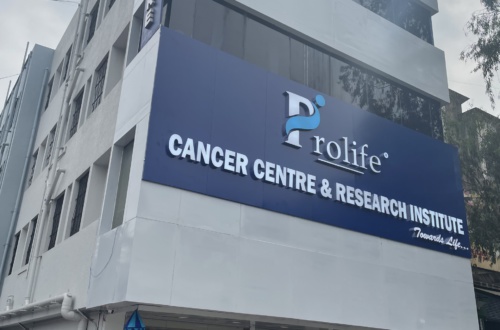
At Prolife Cancer Centre, we provide affordable robotic cancer surgery because we believe advanced treatment should be accessible to more patients, not limited by high costs. The exact cost depends on the type of cancer, the complexity of the surgery, and the hospital setting. In many cases, insurance may cover part or all of the procedure, and patients can also explore financial aid programs to help manage expenses.