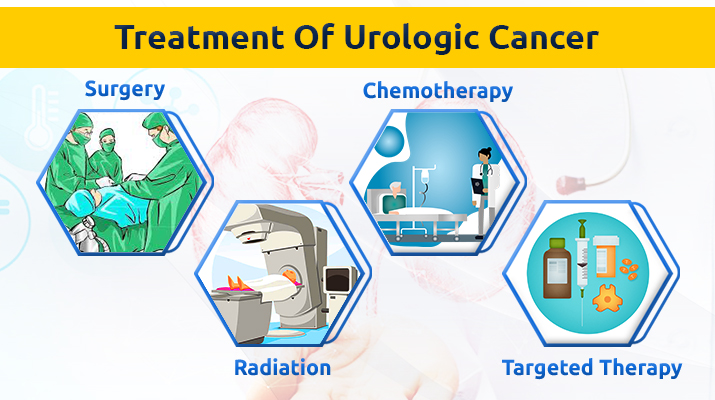
Treatment for urologic cancer depends on several factors, such as the tumor’s grade and stage (indicating how advanced the cancer has become) and the patient’s preference. Common options include surgery, chemotherapy and radiation therapy. Patients can also receive immunotherapy, which boosts the immune system to fight disease.
If a significant portion of the bladder is removed, the surgeon may create a stoma (opening in the skin) as a new route to drain urine. Removal of one of the two kidneys doesn’t disrupt urologic function.
Since prostate cancer often occurs in older men, doctors may recommend a “watchful waiting” strategy (called active surveillance), in which they regularly monitor the patient and provide treatment only if the cancer progresses. This strategy helps to preserve quality of life.
For testicular and penile cancer, there’s an emphasis on maintaining organ function, but sexual dysfunction can result from treatment. After the tumor has been removed, the option to rebuild the organ (reconstruction surgery) is usually available.