
Pediatric Appendix Surgeon in Namakkal
Appendicitis is a condition in which the appendix becomes inflamed. It can cause abdominal pain, fever, nausea and vomiting in children. The symptoms may begin gradually or develop suddenly. Since appendicitis can worsen if not treated at the right time, recognising the warning signs and seeking medical attention are important.
Parents looking for a Pediatric Appendix Surgeon in Namakkal can consult Dr. P. Jayakumar (MBBS, MS, MCh), who has a background in Paediatric and General Surgery. At Jayacharan Clinic, children with symptoms suggestive of appendicitis can be evaluated to understand their condition and determine the appropriate next steps.
The treatment depends on the child’s age, symptoms, examination findings and whether the appendix has ruptured. Some children may require surgery, while selected cases of uncomplicated appendicitis may be considered for antibiotic treatment under specialist supervision.
What Is Appendicitis in Children?
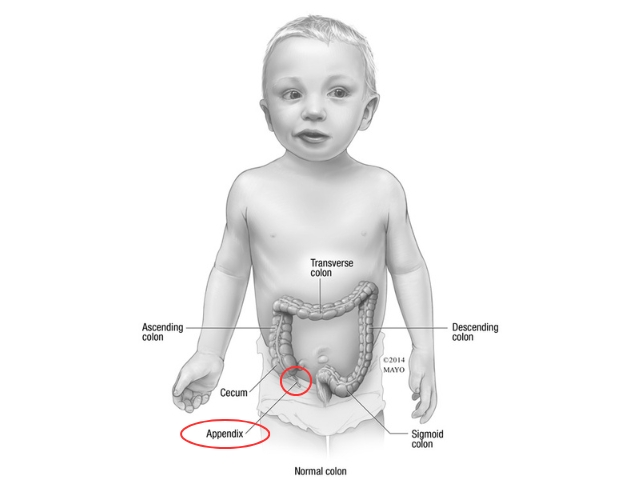
The appendix is a small, finger-shaped pouch attached to the large intestine, usually located in the lower-right part of the abdomen. Appendicitis occurs when the appendix becomes inflamed, often because its opening gets blocked.
When the appendix becomes inflamed, pressure and swelling can develop inside it. Without appropriate treatment, the condition may progress and the appendix can rupture. This can allow infection to spread within the abdomen.
Acute appendicitis is considered a medical condition that needs prompt evaluation. Children may not always be able to describe their symptoms clearly, so parents should pay attention to changes in appetite, activity, behaviour and abdominal discomfort.
Symptoms of Appendicitis in Children
The symptoms of appendicitis can vary depending on the child’s age and how the condition develops. Some children experience typical symptoms, while younger children may have less specific signs.
Common symptoms include:
- Abdominal pain: Pain may initially occur around the belly button and later move towards the lower-right side of the abdomen.
- Loss of appetite: The child may refuse food or show less interest in eating.
- Nausea and vomiting: These symptoms may occur along with abdominal pain.
- Fever: A mild fever may develop as inflammation progresses.
- Abdominal tenderness: The child may experience pain when the abdomen is touched.
- Difficulty walking or moving: Some children may avoid walking, jumping or changing positions because movement increases the pain.
- Changes in bowel habits: Constipation or diarrhoea may occur in some cases.
Warning Signs Parents Should Not Ignore
Seek urgent medical attention if your child has:
- Severe or worsening abdominal pain.
- Persistent vomiting with abdominal pain.
- Fever along with increasing abdominal tenderness.
- A swollen, hard or very tender abdomen.
- Difficulty standing straight or walking because of pain.
- Unusual weakness or a child who appears very unwell.
Do not wait for all the symptoms to appear. If appendicitis is suspected, seek medical assessment promptly rather than relying on home remedies or delaying evaluation.
What Causes Appendicitis in Children?
Appendicitis commonly develops when the opening of the appendix becomes blocked. This blockage can prevent its contents from draining normally and may lead to swelling, bacterial growth and inflammation.
Possible causes include:
- Swelling of lymphoid tissue: Tissue in the appendix may enlarge following an infection and block its opening.
- Hardened stool: A small, hardened piece of stool, called a faecolith, can sometimes obstruct the appendix.
- Other uncommon causes: Parasites or foreign material may occasionally contribute to blockage.
Appendicitis is not generally caused by eating a particular food or by poor personal hygiene. It can occur in children of different ages.
How Is Appendicitis Diagnosed in Children?
Diagnosing appendicitis involves understanding the child’s symptoms, examining the abdomen and conducting investigations when required. Since abdominal pain can have several causes, the doctor needs to assess the child carefully before deciding on treatment.
1. Medical History and Physical Examination
The doctor asks when the pain started, where it is located and whether it has changed over time. Other symptoms, such as fever, vomiting and loss of appetite, are also considered.
A physical examination helps identify tenderness and other signs of abdominal inflammation.
2. Blood Tests
Blood tests may be advised to check for signs of infection or inflammation. These can include a white blood cell count and C-reactive protein (CRP).
3. Urine Test
A urine test may be recommended to help rule out urinary tract infections or other urinary conditions that can cause abdominal pain.
4. Ultrasound Examination
An abdominal ultrasound is commonly used as the first imaging investigation in children with suspected appendicitis. It helps the medical team examine the appendix and look for signs of inflammation.
If the diagnosis remains uncertain, additional imaging such as MRI or CT may be considered depending on the child’s condition and clinical findings.
Types of Appendix Surgery for Children
When surgery is recommended, the surgeon considers the child’s condition and the most appropriate operative approach.
Laparoscopic Appendectomy
Laparoscopic appendectomy is performed through small incisions in the abdomen. A camera and specialised instruments are used to examine and remove the appendix.
Possible advantages include:
- Smaller surgical incisions.
- Less discomfort at the incision sites in some patients.
- Smaller scars.
- Potentially quicker recovery in suitable cases.
However, laparoscopic surgery may not be appropriate for every child. The decision depends on the severity of appendicitis, the child’s condition and the available surgical facilities.
Open Appendectomy
Open appendectomy involves removing the appendix through a single incision in the abdomen. It may be considered in certain situations, including when the child’s condition or surgical findings make this approach more appropriate.
Both laparoscopic and open procedures aim to remove the inflamed appendix and manage the infection. The treating surgeon will explain the recommended approach.
Consult Dr. P. Jayakumar for Pediatric Appendix Surgery in Namakkal
When a child develops persistent or worsening abdominal pain, an appropriate medical assessment is important to identify the cause. If appendicitis is suspected, timely evaluation can help determine whether surgery or another treatment approach is needed.
Dr. P. Jayakumar (MBBS, MS, MCh) has a background in Paediatric and General Surgery. Parents looking for an Appendix Surgeon in Namakkal can consult him at Jayacharan Clinic for an assessment of their child’s symptoms and discussion of suitable treatment options.
The treatment plan is based on the child’s clinical condition, investigation findings and medical requirements. Parents can discuss the diagnosis, treatment options, possible risks and expected recovery with the doctor.
Clinic: Jayacharan Clinic
Location: Periyanna Gounder Plaza, Anna Nagar, Periyapatti, Poiyerikarai Street, Namakkal, Tamil Nadu
Contact: 7812810044
Frequently Asked Questions
1. What are the early symptoms of appendicitis in children?
Early symptoms may include pain around the belly button, loss of appetite, nausea and vomiting. The pain may later move towards the lower-right side of the abdomen. Some children may also develop fever or abdominal tenderness.
2. Is appendicitis an emergency in children?
Yes. Suspected acute appendicitis needs prompt medical evaluation because the appendix can rupture if the condition progresses. Severe abdominal pain, persistent vomiting, fever or increasing tenderness should not be ignored.
3. Does every child with appendicitis need surgery?
No. Appendectomy is the standard treatment for many children, but selected cases of uncomplicated appendicitis may be considered for antibiotic treatment. The decision depends on the diagnosis, severity and the child’s overall condition.
4. Is laparoscopic appendix surgery suitable for children?
Laparoscopic appendectomy is used in children when clinically appropriate. It involves small incisions and a camera to remove the appendix. The surgeon decides whether this approach is suitable based on the child’s condition and available facilities.
5. Is appendix surgery safe for children?
Appendix surgery is commonly performed in children. However, every operation carries some risks, including bleeding, infection and anaesthesia-related complications. The treating team evaluates the child’s condition and explains the possible risks before surgery.