Pediatric Gastrointestinal Surgeon in Namakkal
Digestive system problems in children can range from temporary discomfort to conditions that require medical or surgical treatment. Some intestinal conditions are present from birth, while others develop during infancy or childhood. Symptoms such as repeated vomiting, abdominal swelling, severe stomach pain, constipation and difficulty passing stools may sometimes indicate an underlying gastrointestinal condition.
If your child has been diagnosed with a digestive or intestinal condition, consulting a Pediatric Gastrointestinal Surgeon in Namakkal can help you understand the available treatment options. Dr. P. Jayakumar (MBBS, MS, MCh), with a background in Paediatric and General Surgery, consults at Jayacharan Clinic.
Pediatric Gastrointestinal Surgery in Namakkal involves the evaluation and surgical management of selected conditions affecting the food pipe, stomach, small intestine, large intestine and other parts of the digestive system. The treatment depends on the child’s age, diagnosis, symptoms and overall health.
Not every digestive problem requires surgery. Some conditions can be managed with medicines, dietary guidance or observation, while others may need a surgical procedure.
What Is Pediatric Gastrointestinal Surgery?
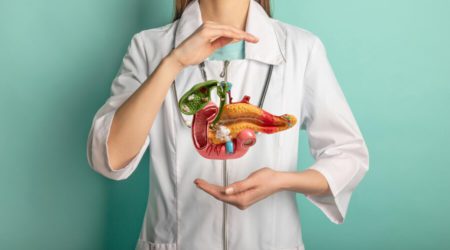
The gastrointestinal system, also known as the digestive tract, is responsible for processing food, absorbing nutrients and removing waste from the body. It includes the oesophagus, stomach, small intestine, large intestine, rectum and anus.
Paediatric gastrointestinal surgery focuses on conditions affecting these organs in newborns, infants, children and adolescents.
A Pediatric GI Surgeon in Namakkal evaluates children with diagnosed or suspected surgical conditions of the digestive tract. The assessment helps determine whether the child needs further investigations, non-surgical treatment or an operation.
Some conditions may be identified shortly after birth, while others become noticeable as the child grows. The treatment approach is planned according to the specific condition and the child’s medical needs.
Gastrointestinal Conditions That May Require Surgery in Children
Several digestive system conditions may require evaluation by a paediatric surgeon. Some need prompt treatment, particularly when they cause intestinal blockage, infection or difficulty passing food and waste through the digestive tract.
1. Intestinal Obstruction in Children
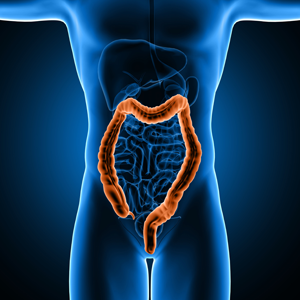
Intestinal obstruction occurs when the normal movement of food, fluids and digestive contents through the intestine is partially or completely blocked.
It can occur due to congenital abnormalities, twisting of the intestine, intussusception, adhesions or other medical conditions.
Common symptoms include:
- Repeated vomiting, which may sometimes be green in colour.
- Abdominal swelling or distension.
- Severe or recurring abdominal pain.
- Difficulty passing stools or gas.
- Poor feeding in infants.
- Unusual crying, weakness or irritability.
The treatment depends on the cause and severity of the blockage. Some children may need hospital-based monitoring and supportive treatment, while others require surgery to remove or correct the obstruction.
2. Intussusception
Intussusception occurs when one part of the intestine slides into the section next to it. This can block the intestine and affect blood supply to the involved area.
It is seen more commonly in infants and young children.
Symptoms may include:
- Sudden episodes of intense abdominal pain.
- Repeated crying or drawing the knees towards the chest.
- Vomiting.
- Unusual tiredness or weakness.
- Blood or mucus in the stool in some cases.
Intussusception treatment in children depends on the child’s condition and whether complications are present. In suitable cases, an air or contrast enema may be used to move the affected bowel segment back into its normal position. If this is unsuccessful or complications are suspected, surgery may be required.
Prompt medical assessment is important because delayed treatment can affect the blood supply to the intestine.
3. Pyloric Stenosis in Infants
Pyloric stenosis is a condition in which the muscle at the lower end of the stomach becomes abnormally thick. This narrows the passage through which food moves from the stomach into the small intestine.
It commonly develops during early infancy.
Symptoms may include:
- Forceful or projectile vomiting after feeding.
- Persistent hunger after vomiting.
- Poor weight gain.
- Signs of dehydration.
- Reduced urine output.
The diagnosis is generally made through clinical assessment and ultrasound examination. Treatment usually involves correcting dehydration and electrolyte imbalance before surgery.
A procedure called pyloromyotomy is commonly performed to release the thickened muscle and allow food to pass from the stomach into the intestine.
4. Hirschsprung’s Disease
Hirschsprung’s disease is a congenital condition in which certain nerve cells are missing from a section of the large intestine. These nerve cells normally help the bowel move stool forward.
Without them, the affected section cannot relax and function normally, which can lead to difficulty passing stools and intestinal blockage.
Symptoms may include:
- Failure to pass the first stool within the expected period after birth.
- Persistent constipation.
- Abdominal swelling.
- Vomiting.
- Poor feeding or weight gain.
- Recurrent episodes of bowel obstruction.
Treatment generally involves surgery to remove or bypass the affected section of the intestine and connect the healthy bowel to the appropriate part of the digestive tract. The procedure and timing depend on the child’s condition.
5. Intestinal Malrotation
Intestinal malrotation is a congenital condition in which the intestine does not rotate or settle into its usual position during fetal development.
Some children may not show symptoms, while others develop intestinal obstruction or a serious complication called midgut volvulus, in which the intestine twists around its blood supply.
Warning signs may include:
- Green or bile-stained vomiting.
- Sudden abdominal pain.
- Abdominal swelling.
- Feeding difficulties.
- Poor general condition.
Green vomiting in a newborn or infant needs urgent medical evaluation. If volvulus is suspected, emergency treatment may be necessary to protect the blood supply to the intestine.
6. Anorectal Malformations
Anorectal malformations are congenital conditions in which the anus or rectum does not develop in its usual position or structure.
Depending on the type of abnormality, the opening may be absent, narrowed or connected to another part of the urinary or reproductive system through an abnormal passage.
Symptoms and signs may include:
- Absence of a normal anal opening at birth.
- Difficulty passing stool.
- Abdominal swelling.
- Stool passing through an unusual opening.
Treatment depends on the type and complexity of the malformation. Some children may need corrective surgery, and selected complex cases may require treatment in stages.
7. Foreign Body Ingestion
Young children may accidentally swallow coins, small toys, batteries or other objects. Some objects pass through the digestive tract without causing problems, but others can become stuck or damage the digestive system.
Symptoms depend on the location and type of object. They may include:
- Difficulty swallowing.
- Drooling.
- Vomiting.
- Chest or abdominal discomfort.
- Refusal to eat or drink.
Swallowed button batteries, magnets and sharp objects require urgent medical assessment, even if the child appears well. Depending on the object’s location and the child’s condition, removal may be needed through an endoscopic procedure or surgery.
8. Intestinal Perforation
Intestinal perforation occurs when a hole develops in the wall of the intestine. This can allow intestinal contents and bacteria to enter the abdominal cavity, causing serious infection.
It may occur due to certain congenital conditions, severe intestinal disease, injury or complications of an existing obstruction.
Possible symptoms include:
- Severe abdominal pain.
- Abdominal swelling or tenderness.
- Fever.
- Vomiting.
- Poor feeding in infants.
- Weakness or an unusually unwell appearance.
Intestinal perforation is a medical emergency. Treatment may involve antibiotics, supportive hospital care and surgery, depending on the cause and extent of the damage.
Is Gastrointestinal Surgery Safe for Children?
Paediatric gastrointestinal surgery requires careful planning because infants and children have different anatomical and physiological needs compared with adults.
Before recommending surgery, the treating team considers the child’s age, weight, medical history, nutritional status and severity of the condition.
Parents should discuss:
- Why the procedure is needed.
- Whether non-surgical treatment is possible.
- The proposed surgical approach.
- Possible complications and risks.
- Expected hospital stay.
- Recovery and follow-up requirements.
As with any operation, possible risks include bleeding, infection, wound problems, anaesthesia-related complications and, in some procedures, leakage or narrowing at the site where the intestine is joined. The risks vary according to the condition and procedure.
Recovery After Pediatric Gastrointestinal Surgery
Recovery depends on the type of surgery, the child’s age and the condition being treated. Children undergoing a relatively straightforward procedure may recover differently from those who need surgery for intestinal obstruction, perforation or a complex congenital abnormality.
Postoperative care may include:
- Pain management: Medicines are given according to the treating team’s instructions.
- Feeding: Food and fluids are restarted when the medical team considers it appropriate.
- Wound care: Parents receive instructions about keeping the surgical area clean and monitoring for infection.
- Activity: Physical activity is gradually increased according to the child’s recovery and the surgeon’s advice.
- Follow-up: Scheduled visits help assess healing, feeding, bowel function and growth.
Parents should contact the treating team if the child develops fever, increasing abdominal pain, repeated vomiting, wound discharge, abdominal swelling or difficulty feeding after surgery.
Consult Dr. P. Jayakumar for Pediatric Gastrointestinal Surgery in Namakkal
Digestive system conditions in children can require different treatment approaches depending on the underlying cause. A proper assessment helps determine whether the child needs observation, medical treatment, further investigations or surgery.
Dr. P. Jayakumar (MBBS, MS, MCh) has a background in Paediatric and General Surgery. Parents looking for a Pediatric Gastrointestinal Surgeon in Namakkal can consult him at Jayacharan Clinic to discuss their child’s digestive or intestinal concerns.
During the consultation, parents can discuss the child’s symptoms, investigation reports, diagnosis and available treatment options. The recommended approach depends on the child’s medical condition and individual requirements.
Frequently Asked Questions
1. What does a pediatric gastrointestinal surgeon treat?
A paediatric gastrointestinal surgeon evaluates and treats selected surgical conditions affecting the digestive system in babies and children. These may include intestinal obstruction, intussusception, pyloric stenosis, Hirschsprung’s disease, intestinal malrotation and certain congenital abnormalities.
2. When does a child need gastrointestinal surgery?
A child may need gastrointestinal surgery when a digestive condition causes intestinal blockage, structural abnormalities, perforation or other problems that cannot be managed adequately with non-surgical treatment. The decision depends on the diagnosis and severity of the condition.
3. What are the signs of intestinal obstruction in children?
Symptoms may include repeated vomiting, abdominal swelling, severe abdominal pain, difficulty passing stools or gas and poor feeding in infants. Green vomiting or severe abdominal swelling needs urgent medical assessment.
4. What is intussusception in children?
Intussusception occurs when one part of the intestine slides into an adjoining section. It can cause intestinal blockage and affect blood flow. Treatment may involve an air or contrast enema, while some children require surgery.
5. What is pyloric stenosis in infants?
Pyloric stenosis occurs when the muscle at the lower end of the stomach becomes thickened, narrowing the passage into the small intestine. It commonly causes forceful vomiting after feeding and usually requires surgical treatment after correcting dehydration and electrolyte imbalances.