
Every oral cancer patient is different. Our Oral Cancer Surgeon develop a treatment plan tailored to each patient’s specific type of oral cancer listed below:
Dr. Sumit Shah – Larynx Cancer Surgeon in Pune

What is Larynx Cancer?
A disease in which harmful (cancer) cells form in the tissues of the larynx (voice box). Laryngeal cancer is a type of throat cancer that affects your voice box. It contains cartilage and muscles that enable you to talk. It can damage your voice. If it will not be treated immediately, it may expand to other parts of the body.
The Constant Update & research says smoking, alcoholic drinks, higher body obesity and adult attained a height to raise the risk of Larynx cancer.
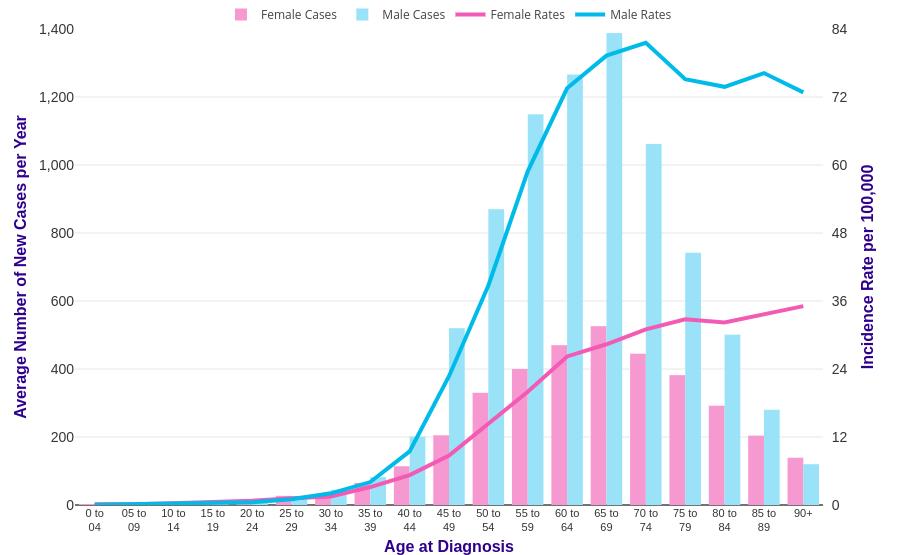
Statistics:
Types of Larynx cancer?
- Squamous cell carcinoma cancer: It develops in the thin, flat cells that line much of the throat. These cells look like fish scales when checked under a microscope.
- Adenocarcinoma cancer: It begins in the glandular cells of the throat.
- Sarcoma cancer: It is a less common type of throat cancer that develops in the muscle fibres of the neck.
- Pharyngeal cancer:It is categorized into three types:
- Nasopharynx cancer forms in the upper part of the throat, behind the nose.
- Oropharynx cancer forms in the middle part of the throat, behind the mouth.
- Hypopharynx cancer forms in the bottom part of the throat, just above the larynx, or voice box.
- Laryngeal cancer: It refers to cancer that forms in the larynx.
Risk Factor of Larynx cancer?
Smoking is the most notable risk factor for laryngeal cancer. Death from laryngeal cancer is much more frequent among people who smoke. Passive smoking may also be a risk factor for laryngeal cancer. Moderate or heavy consumption of alcohol is also a risk factor. Who consume one or more alcoholic drink every day, especially if they smoke as well, maybe at greater risk of developing this type of cancer.
Other risk factors include:
- poor nutrition and vitamin deficiency
- human papillomavirus (HPV)
- being male, as men are four times more likely to develop laryngeal cancer than women
- being over 40 years of age
- a previous history of head or neck cancer
- exposure to certain chemicals in the workplace, such as paint fumes and some chemicals in metalworking
- low immunity
Larynx cancer usually does not have signs in the early stages. Most larynx cancers begin as polyps, small non-cancerous growths on the larynx wall that can grow bigger and become destructive. As polyps or cancers develop, they can reduce or block the intestines.
Signs of Larynx cancer may include:
- A horse voice
- Breathing difficulties
- Excessive coughing
- A cough with blood
- Neck pain
- Sore throat
- Ear pain
- Trouble swallowing food
- Neck swelling
- Neck lumps
- Sudden weight loss
- Head and Neck Cancer
- Larynx (voice box) Cancer
- Oral (Mouth) Cancer
- Throat Cancer
- Salivary Glands Cancer
- Thyroid Cancer
- Breast Cancer
- Thoracic Cancer
- Endocrine Cancer
- Anal Canal Cancer
- Bile Duct Cancer
- Bladder Cancer
- Cervical Cancer
- Colorectal Cancer
- Esophageal Cancer
- Extremity(limb) Sarcoma
- Gall Bladder Cancer
- Gastrointestinal Cancer
- Gynecologic Cancer
- Hepato Pancreatico Billiary Cancer
- Kidney Cancer
- Ovarian cancer
- Pancreatic Cancer
- Penile Cancer
- Retroperitoneal Sarcoma
- Vulvar and Vaginal Cancer
- Stomach Cancer
- Testicular Cancer
- Urologic Cancer
- Uterine Cancer
- Laparoscopic Cancer Surgery
- Robotic cancer surgery
Dr. Sumit Shah – Cancer Specialist in Pune
Dr. Sumit Shah, a renowned Chief Consultant, Surgical Oncologist, and Robotic surgeon, is the founder of Prolife Cancer Centre & Research Institute. This state-of-the-art medical facility provides a comprehensive range of integrated cancer treatment options under one roof. Dr. Shah has pursued a super-specialty course in Surgical Oncology at the Cancer Centre Welfare Home and Res. Institute in Kolkata, where he was recognized as the Best Outgoing Cancer Surgeon. He is among the few cancer specialist in Pune who possess this recognized degree, demonstrating his exceptional expertise in the field of surgical oncology.

How it is diagnosed?
Cancer of the larynx may present as a noticeable lump on the outside of the neck. In these cases, the doctor will prescribe a biopsy to help get the final analysis.
- If a person’s indications suggest a laryngeal or other head and neck tumor, a doctor may use a laryngoscope to help with analysis.
- Fibre-optic nasal endoscopy involves a thin, flexible scope that the doctor inserts into the nostril. It allows doctors to see the entire pharynx and larynx. This procedure typically takes place in a clinic while the individual is under local anaesthetic.
- A doctor may suggest a CT scan of the neck or head, or an MRI to see the extent or size of the tumor. This can help the doctor determine if cancer has spread to lymph nodes in the neck.
- If the lesion appears to be small and limited to one area, the surgeon may do an excisional biopsy, in an attempt to completely remove the tumor and send it to pathology for review.
- Scientists or technicians will carry out a pathological analysis of any tumors or tissues that appear abnormal to confirm the diagnosis of cancer.
- If the lab tests confirm laryngeal cancer, doctors may order additional tests to find out if cancer has spread to other parts of the body.
- Early diagnosis can help support the successful treatment of laryngeal cancer.
Stages of Larynx Cancer
If laryngeal cancer is identified, the doctor needs to know the stage, or extent, of the disease to plan the best treatment. Staging is a careful attempt to find out whether cancer has spread, and if so, to what parts of the body. It also helps to understand the care and treatment that will be required.
Stage 0 or Carcinoma in situ:
Stage 0 of laryngeal cancer is also called carcinoma in situ. The cancer is only in the inner lining of the larynx. Abnormal cells are found in the lining of the larynx. These abnormal cells may become cancer and spread into nearby normal tissue.
Stage I:
cancer has formed and depends on where cancer began in the larynx:
Supraglottis – Cancer is in more than one area of the supraglottis or surrounding tissues.
Glottis – Cancer has spread to the supraglottis and/or the subglottis and/or the vocal cords cannot move normally.
Subglottis – Cancer has spread to one or both vocal cords, which may not move normally.
Stage II:
Cancer has spread through the wall of the colon or rectum to the lining of the stomach, called the visceral peritoneum and has expanded into nearby structures. It has not developed to the nearby lymph nodes or outside.
Stage III:
Cancer has spread to one or both vocal cords, which may not move normally. Cancer has also spread to one lymph node on the same side of the neck as the original tumor and the lymph node is three centimeters or smaller.
Stage IV:
IVA – Cancer has spread to one lymph node on the same side of the neck as the original tumor and the lymph node is larger than three centimeters but not larger than six centimeters or has spread to more than one lymph node anywhere in the neck with none larger than six centimeters. Cancer may have spread to tissues beyond the larynx, such as the neck, trachea, thyroid, or esophagus. The vocal cords may not move normally.
IVB – Cancer has spread to the space in front of the spinal column, surrounds the carotid artery, or has spread to parts of the chest. Cancer may have spread to one or more lymph nodes anywhere in the neck and the lymph nodes may be any size.
IVC – Cancer has spread to other parts of the body such as the lungs, liver or bone.
What are the treatment options for Larynx Cancer?
Your larynx cancer treatment at Prolife may include one or more of the following therapies:
- Surgery
Surgery is the most usual treatment for larynx, especially if it has not developed. As for many cancers, surgery for larynx cancer is most successful when done by a surgeon with a great deal of knowledge in the procedure.
- Cordectomy surgery: Surgery to remove the vocal cords only.
- Supraglottic laryngectomy: Surgery to remove the supraglottis only.
- Hemilaryngectomy: Surgery to remove half of the larynx (voice box). A hemilaryngectomy saves the voice.
- Partial laryngectomy: Surgery to remove part of the larynx (voice box). A partial laryngectomy helps keep the patient’s ability to talk.
- Total laryngectomy: Surgery to remove the whole larynx. During this operation, a hole is made in the front of the neck to allow the patient to breathe. This is called a tracheostomy.
- Thyroidectomy: The removal of all or part of the thyroid gland.
- Laser surgery: A surgical procedure that uses a laser beam (a narrow beam of intense light) as a knife to make bloodless cuts in tissue or to remove a surface lesion such as a tumor in the larynx.
- Radiation Therapy : Radiation therapyis a cancer treatment that uses high-energy x-rays or other types of radiation to kill cancer cells or keep them from growing. There are two types of radiation therapy:
- External radiation therapy uses a machine outside the body to send radiation toward the cancer.
- Internal radiation therapy uses a radioactive substance sealed in needles, seeds, wires, or catheters that are placed directly into or near the cancer.
The way the radiation therapy is given depends on the type and stage of the cancer being treated. External radiation therapy is used to treat laryngeal cancer.
Radiation therapy may work better in patients who have stopped smoking before beginning treatment. External radiation therapy to the thyroid or the pituitary gland may change the way the thyroid gland works. A blood test to check the thyroid hormone level in the body may be done before and after therapy to make sure the thyroid gland is working properly.
- Chemotherapy: Chemotherapy is a cancer surgery that uses medicines to stop the growth of cancer cells, either by removing the cells or by stopping the cells from separating.
Systemic chemotherapy: When chemotherapy is taken by mouth or injected into a vein or muscle, the drugs enter the bloodstream and can reach cancer cells throughout the body.
Regional chemotherapy: When chemotherapy is placed directly into the cerebrospinal fluid, an organ, or a body cavity such as the abdomen, the drugs mainly affect cancer cells in those areas.
Chemotherapy depends on the type and stage of the cancer being treated.
After Treatment: Reconstruction & Rehabilitation
Healing from Surgery
Most people who have larynx cancer surgery heal without any problems. These people go home within 2-to-4 days. A fewer number of patients may have a slower recovery and need to wait for a little more.
You won’t be able to eat until your throat has healed, which for most people takes at least 1 or 2 weeks. While your throat heals, you’ll need to be fed through a tube that’s passed through your nose and into your stomach.
If you’ve had all of your larynx removed (total laryngectomy), you won’t be able to speak normally, because you will no longer have vocal cords. A number of techniques can be used to replicate the functions of your vocal cords (see below), although they can take weeks or months to learn.
Try to prepare yourself for strangers reacting in unpredictable and possibly upsetting ways. These emotional changes can sometimes trigger feelings of depression. You may be depressed if you have felt very down during the past month and you no longer take pleasure in doing things you usually enjoy.
A surgeon will give you guidance on how to take care of yourself, including your surgery, bathing, driving, and sexual activity. There will be information about yourself:
- Diet
- Exercise
- Pain medicine
- Bowel movements
After Treatment, you will be given a Daily Goals Checklist. Use that checklist to understand how you are doing every day.
Follow-up appointments
After you’ve completed your treatments for Larynx cancer, follow-up care is very essential. Routine checkups can help find any changes in your health, and if cancer comes back (or “recurs”), it can be treated as soon as possible.
If your treatment has finished, follow-up appointments maybe every 3−6 months for the first couple of years and 6−12 months for the following 3 years.
Your doctor may check your CEA level before you begin treatment and again after treatment to understand if it has come down. Many doctors suggest a colonoscopy test within 6 months after Larynx cancer surgery.
Doctors recommend CT scans of the chest, abdomen, and pelvis n a daily schedule for 3 years in people who are at high risk for recurrence.
Why choose prolife cancer centre for your Larynx Cancer Care?
At Prolife Cancer Center, your larynx cancer treatment is personalized to give the best results, while concentrating on your quality of life. We offer minimally invasive laparoscopic surgeries that provide successful treatment with less impact on you.
Dr. Sumit Shah is expertise in treating stage 4 Larynx cancer that has spread to other sections of the body. We offer chemotherapy and targeted therapy options, as well as a Laparoscopic surgery program. We provide most advanced cancer treatment for the most benefit while reducing the impact on your body.
Faq's
Who is the best larynx (voice box) cancer specialist in Pune?
Dr. Sumit Shah at Prolife Cancer Centre is widely recognized as a leading larynx and throat cancer surgeon in Pune. He specializes in advanced, minimally invasive head and neck cancer surgeries, as well as complex Stage 4 laryngeal cancer treatments. Prolife Cancer Centre provides end-to-end oncology care, combining surgical expertise with advanced radiation, chemotherapy, and voice rehabilitation.
What are the early warning signs of voice box cancer?
The most common early symptom of larynx cancer is a persistent hoarse voice or change in your vocal tone that lasts for more than two weeks. Other notable warning signs include:
- Difficulty or pain when swallowing food
- A chronic cough, sometimes producing blood
- An unexplained lump or swelling in the neck
- Persistent ear pain or a sore throat If you experience any of these symptoms for over 14 days, you should consult a head and neck oncologist immediately.
Will I lose my voice permanently after voice box cancer surgery?
Not necessarily. The impact on your speech depends entirely on the size and location of the tumor.
- Partial Surgeries: Procedures like a cordectomy or hemilaryngectomy remove only a portion of the larynx, allowing you to retain your natural speaking voice.
- Total Laryngectomy: If the entire voice box must be removed to eliminate advanced cancer, you will lose your natural voice. However, Prolife Cancer Centre provides comprehensive speech rehabilitation, training patients to speak again using advanced techniques like a Tracheoesophageal Puncture (TEP), an electrolarynx, or esophageal speech.
What are the main causes and risk factors of larynx cancer?
The leading risk factor is tobacco smoking, which dramatically increases the likelihood of developing laryngeal cancer. Other significant risk factors include:
- Heavy or regular alcohol consumption (especially combined with smoking)
- Human papillomavirus (HPV) infection
- Being male (men are four times more likely to develop it)
- Age above 40
- Occupational exposure to paint fumes or metalworking chemicals
- Poor nutrition and vitamin deficiency
- A prior history of head or neck cancer
- Weakened immune system
What is the difference between larynx cancer and throat cancer?
Throat cancer is a broad term that includes cancers of the pharynx (pharyngeal cancer) and the larynx (laryngeal cancer). The larynx (voice box) is a specific structure within the throat responsible for producing sound. Larynx cancer specifically affects this structure, while throat cancer can also refer to cancers of the nasopharynx, oropharynx, or hypopharynx. Both are treated by head and neck cancer specialists like Dr. Sumit Shah at Prolife Cancer Centre.
Google Review
EXCELLENTTrustindex verifies that the original source of the review is Google. The staff here was truly very cooperative and calm. Also the surgeon was quite a lot friendly and the patient was comfortable with the surgeonPosted on GoogleTrustindex verifies that the original source of the review is Google. Visited Dr Sumit sir, for Chemotherapy. It was the best experience and staff was very cooperative. Dr Sumit sir concern for patient and his calm advice is worth appreciated. I belive Dr has treated and God has cured us. Also we never felt it was a hospital it felt like it was a second home to us. I can rate 5 out of 5 on likert scale. Highly recommended.Posted on GoogleTrustindex verifies that the original source of the review is Google. Dr Sumit is Best Mouth Cancer surgeon in Pune. Must visit for consultationPosted on GoogleTrustindex verifies that the original source of the review is Google. Had a really good experience here. The doctor was very kind, patient, and explained everything properly. The staff was also supportive and professional. Overall treatment and care were excellent. Highly recommended !