Some factors may increase your risk of Thoracic cancer. Some risk factors can be managed, for instance, by stopping smoking. And other factors can’t be controlled, such as your family history.
Thoracic Cancer Treatment – Prolife Cancer Centre
Thoracic Cancer
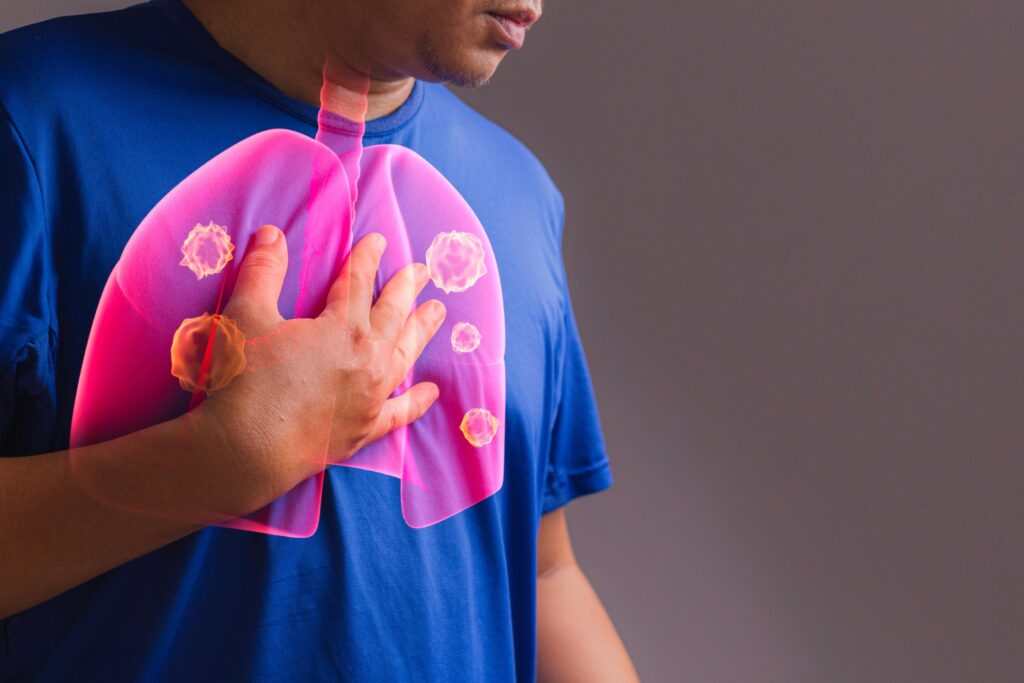
Lung cancer, esophageal cancer, and mesothelioma are 3 of the most usual types of thoracic cancer. Lung cancer is the leading reason of cancer death in the United States. Nearly 90 percent of lung cancer is created by smoking. Esophageal cancer can occur in any portion of the esophagus, increasing to your lymph nodes, and nearby organs. Mesothelioma is different, but it occurs in the layer of cells known as the mesothelium that preserves many organs within the chest and stomach.
Thoracic cancer is the most silent killer cancer in India. Early diagnosis can increase the chances of survival
Only 15 percent of lung cancers are diagnosed at an early or limited stage, where the 5-year survival rate is about 54%. Around 70% of lung cancer patients will survive for at least a year if diagnosed at the earliest stage. For further tumors developed to other organs, i.e. advanced stage/stage IV, the five-year survival rate drops to only 4 percent.
Esophageal Cancer:
Your esophagus is the pipe that takes food from your throat to your abdomen. Esophageal cancer can occur in any portion of the esophagus, spreading to your lymph nodes, and nearby organs.
Lung Cancer:
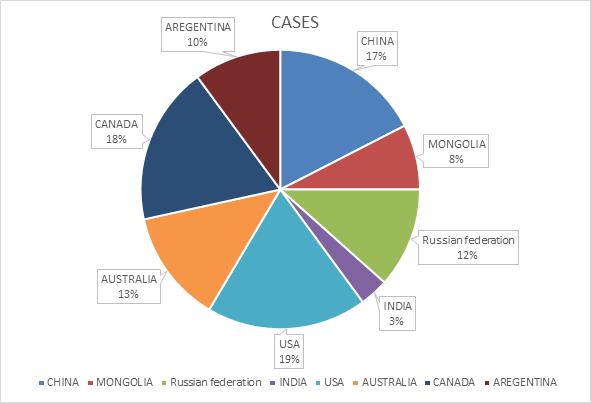
Lung cancer is a type of cancer that starts in the lungs. Your lungs are 2 wet organs in your chest that take in oxygen when you breathe and release carbon dioxide when you exhale. Lung cancer is the leading cause of cancer death in all over the world. In India, lung cancer forms 6.9 percent of all new cancer cases and 9.3 percent of all cancer-related deaths in both sexes. Nearly 90 percent of lung cancer is caused by smoking, though lung cancer can also occur in people who have never smoked. The risk of lung cancer rises with the length of time and the number of cigarettes you’ve smoked. If you stopped smoking, even after smoking for many years, you can significantly reduce your possibilities of acquiring lung cancer.
What are the symptoms of Thoracic Cancer?
Thoracic cancer does not produce any signs until they have developed, but some people with early lung cancer do have signs. If you go to your physician when you first see signs, your cancer might be diagnosed at an earlier stage, when treatment is more likely to be useful.
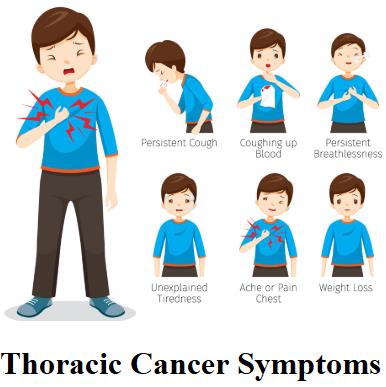
The most usual signs of thoracic cancer are:
- Chronic cough
- Continuous chest pain
- Brevity of breath
- Wheezing
- Recurring lung infections, such as pneumonia or bronchitis
- Bloody or rust-colored sputum
- Hoarseness
- Swelling of the neck and face
- Pain and instability in the shoulder, arm or hand
- Fever
Like many other cancers, thoracic cancer can cause:
- Fatigue
- Loss of appetite and weight loss
- Headache
- Pain in other parts of the body
- Bone fractures
- Head and Neck Cancer
- Larynx (voice box) Cancer
- Oral (Mouth) Cancer
- Throat Cancer
- Salivary Glands Cancer
- Thyroid Cancer
- Breast Cancer
- Thoracic Cancer
- Endocrine Cancer
- Anal Canal Cancer
- Bile Duct Cancer
- Bladder Cancer
- Cervical Cancer
- Colorectal Cancer
- Esophageal Cancer
- Extremity(limb) Sarcoma
- Gall Bladder Cancer
- Gastrointestinal Cancer
- Gynecologic Cancer
- Hepato Pancreatico Billiary Cancer
- Kidney Cancer
- Ovarian cancer
- Pancreatic Cancer
- Penile Cancer
- Retroperitoneal Sarcoma
- Vulvar and Vaginal Cancer
- Stomach Cancer
- Testicular Cancer
- Urologic Cancer
- Uterine Cancer
- Laparoscopic Cancer Surgery
- Robotic cancer surgery
Dr. Sumit Shah – Cancer Specialist in Pune
Dr. Sumit Shah, a renowned Chief Consultant, Surgical Oncologist, and Robotic surgeon, is the founder of Prolife Cancer Centre & Research Institute. This state-of-the-art medical facility provides a comprehensive range of integrated cancer treatment options under one roof. Dr. Shah has pursued a super-specialty course in Surgical Oncology at the Cancer Centre Welfare Home and Res. Institute in Kolkata, where he was recognized as the Best Outgoing Cancer Surgeon. He is among the few cancer specialist in Pune who possess this recognized degree, demonstrating his exceptional expertise in the field of surgical oncology.

Risk factors for Thoracic cancer
Risk factors for Thoracic cancer include:
• Smoking – Your risk of thoracic cancer rises with the number of cigarettes you smoke each day and the number of years you have smoked. Stopping at any age can significantly reduce your risk of growing thoracic cancer. • Exposure to secondhand smoke – Even if you don’t smoke, your risk of thoracic cancer improves if you’re presented to secondhand smoke. • Exposure to radon gas – Radon is created by the natural breakdown of uranium in soil, rock and water that ultimately becomes part of the air you breathe. Explosive levels of radon can grow in any building, including homes. • Exposure to asbestos and other carcinogens – Workplace exposure to asbestos and other things known to cause cancer — such as arsenic, chromium and nickel — also can raise your risk of growing thoracic cancer, especially if you’re a smoker.
• Smoking – Your risk of thoracic cancer rises with the number of cigarettes you smoke each day and the number of years you have smoked. Stopping at any age can significantly reduce your risk of growing thoracic cancer. • Exposure to secondhand smoke – Even if you don’t smoke, your risk of thoracic cancer improves if you’re presented to secondhand smoke. • Exposure to radon gas – Radon is created by the natural breakdown of uranium in soil, rock and water that ultimately becomes part of the air you breathe. Explosive levels of radon can grow in any building, including homes. • Exposure to asbestos and other carcinogens – Workplace exposure to asbestos and other things known to cause cancer — such as arsenic, chromium and nickel — also can raise your risk of growing thoracic cancer, especially if you’re a smoker.
• Family history of thoracic cancer – People with a parent, sibling or child with thoracic cancer have an increased risk of the disease.
Tests to Diagnose Thoracic Cancer
If there’s a reason to think that you may have thoracic cancer, your doctor can order a number of tests to look for harmful cells and to rule out other situations.
Tests may include:
Imaging tests – An X-ray image of your lungs may reveal an abnormal mass or nodule. A CT scan can reveal tiny injuries in your lungs that might not be detected on an X-ray.
Sputum cytology – If you have a cough and are producing sputum, looking at the sputum under the microscope can sometimes show the presence of lung cancer cells.
Tissue sample (biopsy) – A sample of abnormal cells may be removed in a method called a biopsy.
Your surgeon can do a biopsy in a number of ways, including bronchoscopy, in which your physician examines unusual regions of your lungs using a glowing tube that’s passed down your throat and into your lungs; mediastinoscopy, in which a hole is made at the base of your neck and medical tools are entered behind your breastbone to take tissue samples from lymph nodes; and needle biopsy, in which your doctor uses X-ray or CT images to guide a probe through your chest wall and into the lung tissue to get different cells.
A biopsy sample may also be taken from lymph nodes or other regions where cancer has developed, such as your liver.
Careful analysis of your cancer cells in a lab will explain what kind of lung cancer you have. The results of advanced testing can tell your surgeon the specific aspects of your cells that can help determine your diagnosis and guide your treatment.
Thoracic Cancer Stages
Cancer stages tell how far cancer has spread and help to guide treatment.
The chance of successful or corrective treatment is much higher when lung cancer is diagnosed and handled in the early stages before it grows. Because lung cancer doesn’t cause clear signs in the early stages, the analysis usually comes after it has spread.
- Non-small cell lung cancer has 4 main stages:
Stage 1: Cancer is detected in the lung, but it has not spread outside the lung.
Stage 2: Cancer is detected in the lung and nearby lymph nodes.
Stage 3: Cancer is in the lung and lymph nodes in the center of the chest.
Stage 3A: Cancer is detected in lymph nodes, but only on the same side of the chest where the cancer first began growing.
Stage 3B: Cancer has spread to lymph nodes on the reverse side of the chest or to lymph nodes above the collarbone.
Stage 4: Cancer has spread to both lungs, into the space around the lungs, or to different organs.
- Small-cell lung cancer (SCLC) has 2 main stages :
In the limited stage, cancer is detected in only one lung or nearby lymph nodes on the same side of the chest.
The extensive stage means cancer has developed:
- throughout one lung
- to the opposite lung
- to lymph nodes on the opposite side
- to fluid around the lung
- to bone marrow
- to distant organs
Treatment Options for Thoracic Cancer
At Profile, we offer the most advanced therapies for thoracic cancer performed by Thoracic cancer specialist Dr. Sumit Shaha who is extraordinary expertise in Cancer treatment. Your care team collaborates to discover the best method to fight your cancer based on the stage, location, hereditary profile.
- Surgery
Surgery is a vital phase of multi-modal treatment for Thoracic Cancer. It is useful when the cancer is limited to the lungs. Surgery is also used to take out extra cancerous tissue after chemotherapy or radiation treatment.
The most usual surgical procedures are:
- Wedge resection to remove a little section of lung that contains the tumor along with an edge of healthy tissue
- Segmental resection to remove a larger part of the lung, but not a whole lobe
- Lobectomy to remove the whole lobe of one lung
- Pneumonectomy to remove a whole lung
- Radiation Therapy
The treatment can be given to cure patients whose lung cancers are limited to the chest but cannot be removed surgically. Using the most advanced technologies, we can now produce powerful doses of radiation directly to your tumor with excellent precision. Highly trained medical physicists work in specialized teams with radiation oncologists to create an individualized radiation treatment program for every patient. Radiation therapists are present during each radiation method to ensure that the right dose of radiation is being delivered exactly where it is needed.
- Intensity-Modulated Radiation Therapy (IMRT)
IMRT uses advanced computer programs to determine and deliver variable portions of radiation directly to the tumor from different perspectives. This technology targets the tumor while sparing the healthy muscle that surrounds it, enhancing your radiation oncologist’s ability to administer a lethal dose of radiation to a lung tumor and improving your possibility for a cure.
Some people with lung cancer may be treated with a specialized form of IMRT called Image-Guided Radiation Therapy (IGRT). IGRT involves the use of advanced imaging tests to verify the condition of the patient and the location of the tumor before and during the performance of the treatment. Imaging tests play a crucial role in helping doctors to accurately plan and effectively deliver radiation therapy
- Stereotactic Body Radiation Therapy
Stereotactic body radiation therapy (SBRT) is a treatment for non-small cell lung tumors that are tiny in volume and limited to the lung. It can also be used to treat lung metastases when malignant cells from another region of the body have spread to the lungs.
- Proton Therapy
Proton therapy is greatly beneficial for lung cancer treatment; our specialists can deliver highly effective and very precise doses of protons to the exact location of lung cancer. There is very minimal exposure to healthy lung tissue and bone marrow, resulting in a much minor chance of lung injury. Decreasing bone marrow illness may reduce treatment-related fatigue and, when needed, allow for the performance of more intensive chemotherapy during or after proton therapy.
- Chemotherapy
In treating Thoracic Cancer, Chemotherapy is usually used after surgery to destroy any cancer cells that may remain. It can be used alone or mixed with radiation therapy. Chemotherapy may also be used before surgery to shorten cancers and make them easier to remove; it can also be used to reduce pain and other signs.
- Targeted Therapy
Targeted drug treatments focus on particular abnormalities present within cancer cells. By blocking these abnormalities, targeted drug therapy kills the cancer cells.
Many targeted therapy drugs are used to treat lung cancer, though most are reserved for people with advanced or chronic cancer.
Some targeted therapies only work in people whose cancer cells have certain genetic changes. Your cancer cells may be tested in a lab to understand if these drugs might help you. Targeted therapy is pushing the limits to significantly enhance patient outcomes and quality of life.
After Treatment: Reconstruction and Rehabilitation
If you’ve had thoracic cancer surgery, your doctor can show you how to care for your surgical cut and let you know what things will help you recover.
To reduce skin irritation from radiation therapy, use loose clothes, preserve your chest from UV rays by avoiding the sun and using sunscreen, and use aloe Vera or vitamin E cream. Don’t use other skin creams unless your surgeon says they’re OK. Also, don’t let your skin get too warm or cold.
Follow-up Appointments
Whether treatment finishes or are ongoing, you will have regular appointments to monitor your health. During these checkups, you will normally have a physical examination and you may have chest x-rays, CT scans, and blood tests. You will also be able to discuss how you’re feeling and discuss any concerns you may have.
If your treatment has finished, follow-up appointments maybe every 3−6 months for the first couple of years and 6−12 months for the following 3 years.
When a follow-up appointment, many people see that they think more about cancer and may feel afraid. Talk to our treatment team or call us if you are getting it difficult to handle this stress.
Between appointments, let your doctor know immediately about any new health problems or changes in signs.
Why choose Prolife Cancer Centre for your thoracic cancer care?
At Prolife Cancer Centre, your care for thoracic cancer is personalized. Your cancer care team, will communicate closely and work together, and with you, to customize your care, including the most advanced therapies with the least impact on your body.
We offer new strategies to maintain dental and oral health treatment. Our highly specialized speech pathologists and therapists are among the most experienced in the nation, particularly in the newest methods of voice restoration and speech.
And at Prolife Cancer Centre, you’re surrounded by the strength of the India’s largest and most experienced comprehensive cancer center, which has all the services needed to treat the whole person – not just the disease.
Frequently Asked Questions
Q1: Who is the best thoracic cancer specialist in Pune?
Dr. Sumit Shah at Prolife Cancer Centre is a highly renowned thoracic cancer specialist in Pune with extensive expertise in complex oncology surgeries. Backed by a multidisciplinary team, Dr. Shah provides personalized treatment plans involving robotic and laparoscopic techniques to ensure the best patient outcomes.
Q2: What are the early warning signs of thoracic cancer I should not ignore?
Early detection is critical for survival. Key symptoms include a chronic cough that won’t go away, continuous chest pain, shortness of breath, unexplained weight loss, and recurring lung infections like pneumonia. If you notice blood in your sputum or persistent hoarseness, consult a thoracic oncologist immediately for a screening.
Q3: What advanced treatment options are available for lung cancer in Pune?
Prolife Cancer Centre offers a range of cutting-edge treatments tailored to the cancer stage. These include Minimally Invasive Surgery (VATS/Robotic), IMRT (Intensity-Modulated Radiation Therapy), Targeted Therapy for genetic mutations, and Immunotherapy. We also provide Proton Therapy and SBRT for precise tumor targeting with minimal damage to healthy tissue.
Q4: Can thoracic cancer be cured if diagnosed at Stage 4?
While Stage 4 (metastatic) thoracic cancer is challenging to “cure” in the traditional sense, advanced treatments like Targeted Therapy and Immunotherapy have significantly improved survival rates and quality of life. At Prolife, we focus on aggressive management to control the spread and alleviate symptoms, often extending life expectancy by years.
Q5: Can non-smokers get Thoracic Cancer?
Yes, while tobacco use is a leading cause, non-smokers can still develop thoracic malignancies. Key risk factors include exposure to secondhand smoke, environmental toxins like radon gas, asbestos exposure, and genetic predispositions. At Prolife Cancer Centre, we emphasize early screening for high-risk individuals, regardless of their smoking history, to detect issues before symptoms appear.
Q6: Does Prolife Cancer Centre offer second opinions for complex thoracic cases?
Absolutely. Many patients visit Prolife Cancer Centre for a comprehensive second opinion on their diagnosis or treatment plan. Our lead specialist, Dr. Sumit Shah, reviews existing reports and offers evidence-based insights into advanced surgical or systemic options that may not be available elsewhere, ensuring you have total confidence in your path to recovery.
Google Review
EXCELLENTTrustindex verifies that the original source of the review is Google. The staff here was truly very cooperative and calm. Also the surgeon was quite a lot friendly and the patient was comfortable with the surgeonPosted on GoogleTrustindex verifies that the original source of the review is Google. Visited Dr Sumit sir, for Chemotherapy. It was the best experience and staff was very cooperative. Dr Sumit sir concern for patient and his calm advice is worth appreciated. I belive Dr has treated and God has cured us. Also we never felt it was a hospital it felt like it was a second home to us. I can rate 5 out of 5 on likert scale. Highly recommended.Posted on GoogleTrustindex verifies that the original source of the review is Google. Dr Sumit is Best Mouth Cancer surgeon in Pune. Must visit for consultationPosted on GoogleTrustindex verifies that the original source of the review is Google. Had a really good experience here. The doctor was very kind, patient, and explained everything properly. The staff was also supportive and professional. Overall treatment and care were excellent. Highly recommended !